



Updated May 2026
Author: Cody Potts
All homeowners in the area need to be aware of electrical issues and the signs that one is present. A red flag that you do not hear about very often is electrical arcing. Since it is a major fire hazard, it is important that you know what it is, what the signs are, and what you can do about it. Should you notice the signs of arcing in your home, you should call an experienced electrician immediately to diagnose and repair the problem.
What Is Electrical Arcing?
Electrical arcing is something that can happen with an electric current. When this current is flowing, and it jumps a space, it is arcing. The arcing can occur in several situations, such as within a circuit or even between two conductors.
The electricity flash that occurs due to arcing can get as hot as 35,000 degrees Fahrenheit. This extreme level of heat can burn away the insulation that surrounds wires, allowing the arcing to travel to the home’s wood framing or insulation.
What’s the Difference Between Normal Arcing and Dangerous Arcing?
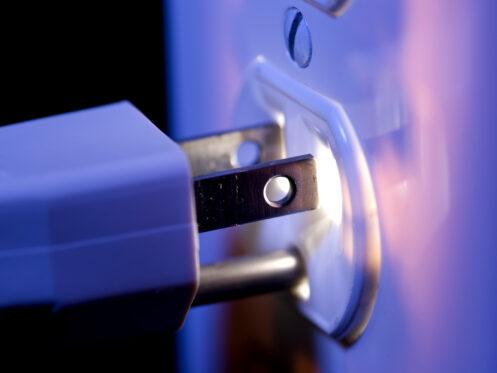
In most cases, arcing is intentional and even necessary. For example, in order for your toaster to work, you rely on arcing. When you plug it into an electrical outlet, the power moves from the outlet to the plug’s prongs. This results in a spark and heat that allows electricity to power your toaster.
However, it can also happen in ways that can pose a danger. For example, electrical panels are a common place for it to occur. If there is a problem, there is the risk that the electricity will jump the space between the various fuses or even to something nearby that is made of metal, such as a tool.
What Causes an Arc Flash?
There are several reasons why electrical arcing might occur.
- Accidental contact with energized equipment — Even brief or unintended contact with live electrical components can create an arc.
- Damaged wire insulation — Breaks, gaps, or worn insulation around electrical wiring can allow electricity to jump between conductors or nearby metal surfaces.
- Exposed wires — Unprotected wiring increases the risk of electrical current escaping and creating dangerous arcs.
- Electrical equipment failure — Malfunctioning breakers, panels, switches, or other electrical components can trigger arcing events.
- Frayed or deteriorated wiring — Electrical equipment with worn or frayed wires can create arcing hazards, even if the equipment still appears to operate normally.
- Dust, dirt, and corrosion buildup — Contaminants inside electrical equipment can interfere with electrical flow and increase the likelihood of an arc flash.
- Lack of routine maintenance — Poorly maintained electrical systems are more likely to develop loose connections, damaged components, and interrupted current flow that can lead to arcing.
How Far Can Electricity Arc?
In general, for every 3,000 volts of current, electricity can jump one millimeter. This is the case for homes that are in a relatively dry area and located above sea level. Now, if it is particularly humid when the arc occurs, the distance increases sharply.
Arc Flash in the Real World
It is a good idea to see arcing in action to fully understand its potential. One of the most well-known and common examples of electrical arcing is lightning. The electricity in a cloud either travels to the ground or to another cloud. This jumping from one place to another is the electricity arcing.
What Are the Warning Signs of Electrical Arcing?
In some cases, arcing may happen without visible signs. For example, when you plug in your toaster, unless there is an issue with the appliance or your electrical system, the arcing will occur without you knowing.
However, there are times when a flash happens. This is highly dangerous and the result of the current heating up of gas, dust, and other small air particles.
There are several other signs of electrical arcing that you should be aware of:
- Loose plugs in an outlet
- Flickering or dimming lights
- Smoking or hot switches or outlets
- Unresponsive outlets
- Tripped circuit breakers
- Prematurely burnt-out light bulbs
- Buzzing outlets or light switches
How Do You Prevent Electrical Arcing Hazards
As a homeowner, there are some steps that you can take to reduce the risk of electrical arcing in your house.
- Make sure that you properly ground and install all of your home’s electrical equipment. It is a good idea to have an electrician tackle this work so that there is no doubt regarding proper grounding and installation.
- You should immediately replace any damaged electrical equipment. Look at all your cords closely. If there is any fraying or damage, unplug the cord and replace it before plugging it back in.
- Any place where there is a risk of electrical shock, you should have a professional install GFCI outlets. These include any outlets that are near water, such as the ones in your bathroom and close to the kitchen sink.
- Make sure that you are not overloading any of the electrical circuits in your home. If you use any extension cords, read the manufacturer's specifications to prevent overloading them.
- Talk to a licensed electrician about having electrical inspections and maintenance. They will help you to correct any issues and recommend a schedule for having regular professional inspections.
- If there are arc hazards in your house, know the equipment or circuit that is responsible. Have a professional shut off power to the affected area until you can have them properly repair the issue.
You should always assume that an arc is possible if the signs are present. If you can do so safely, turn off the power to prevent an arc from happening. Never work on electrical equipment on your own. Rather, always have a professional do the job so that they can complete it safely and properly.
When is Electrical Arcing Hazardous?
Electrical arcing can cause a fire, and this is the danger that most people are aware of. However, other consequences can occur when arcing happens.
- If you are near the source during arcing, there is a risk of severe burns, including thermal burns.
- The event can also damage your hearing and eyesight.
- Another possible danger is a burst pressure wave injury. This type of injury can cause a variety of problems, depending on the psi of the burst, such as ruptured eardrums, broken bones, or even death.
- This type of blast could also cause concussions or even more serious brain injuries.
Expert Electricians in Fenton, St. Louis, & Beyond
Electrical arcing is a serious issue that a professional electrician needs to address immediately. All homeowners need to know the signs so that they can reduce the risk of an electrical fire. We strive to be the best and to ensure your complete satisfaction with every job that we complete. We can help you with arcing as well as new construction electrical work, generators, smart home upgrades, and even chargers for your electric vehicle. Contact Potts Electric today to ensure that your home’s electrical system is in good working order.
